Uterine Fibroids: Understanding Your Treatment Options
Introduction
Uterine fibroids are one of the most common gynecologic conditions, affecting up to 70-80% of women by age 50. Despite how common they are, many women feel confused about their diagnosis and overwhelmed by treatment options. As a specialist in minimally invasive gynecologic surgery, I work with women every day to create personalized treatment plans that address their symptoms while aligning with their life goals.
What Are Uterine Fibroids?
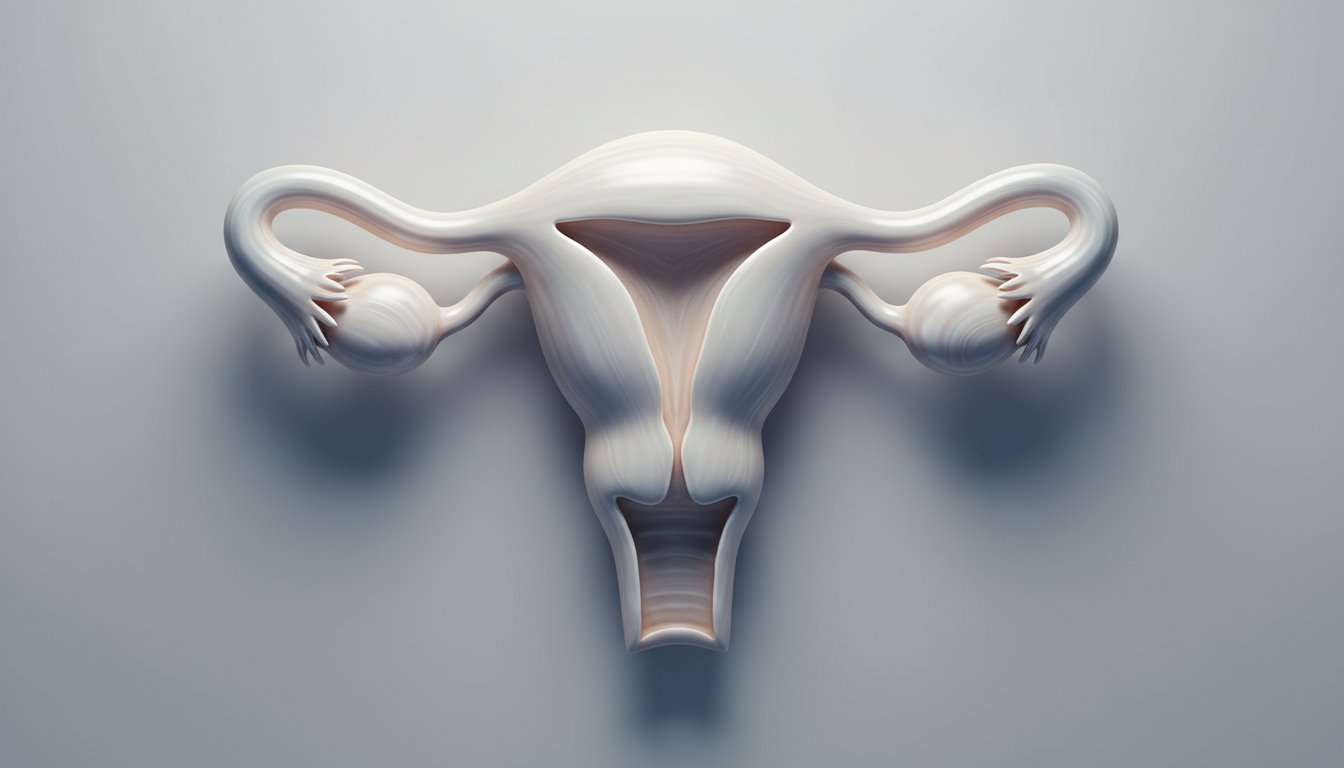
Uterine fibroids (also called leiomyomas or myomas) are non-cancerous growths that develop in or on the uterus. They can range in size from tiny seedlings to large masses, and a woman may have one fibroid or multiple fibroids of varying sizes.
Fibroids are classified by their location:
Intramural: Within the uterine wall
Subserosal: On the outer surface of the uterus
Submucosal: Protruding into the uterine cavity
Pedunculated: Attached by a stalk
Common Symptoms
Many women with fibroids experience no symptoms at all. However, when symptoms do occur, they can significantly impact quality of life:
Heavy menstrual bleeding, sometimes with clots
Prolonged periods (lasting more than 7 days)
Pelvic pressure or fullness
Frequent urination or difficulty emptying the bladder
Constipation or bloating
Lower back pain
Pain during intercourse
Difficulty conceiving or recurrent pregnancy loss
The severity of symptoms often depends more on the location and size of fibroids than on the number present.
Diagnosis
Fibroids are typically diagnosed through:
Pelvic examination
Ultrasound imaging (transvaginal or abdominal)
MRI (for complex cases or surgical planning)
Saline infusion sonography (for submucosal fibroids)
Treatment Options: It’s Not One-Size-Fits-All
The right treatment depends on your symptoms, the size and location of fibroids, your age, and whether you wish to preserve fertility. Options range from watchful waiting to surgery, and often a combination of approaches works best.
Watchful Waiting: If fibroids are small and causing no symptoms, monitoring with regular check-ups may be all that’s needed.
Medical Management: Medications can help control symptoms:
Hormonal birth control to reduce heavy bleeding
GnRH agonists to temporarily shrink fibroids
Tranexamic acid to reduce menstrual blood loss
Anti-inflammatory medications for pain
These options manage symptoms but don’t eliminate fibroids.
Minimally Invasive Surgical Options:
When medical management isn’t sufficient, minimally invasive surgery offers effective treatment with faster recovery:
Myomectomy: Surgical removal of fibroids while preserving the uterus—ideal for women who wish to maintain fertility. Using laparoscopic or robotic techniques, fibroids can be precisely removed through small incisions with:
Preservation of the uterus
Maintained fertility potential
Faster recovery than open surgery
Reduced scarring
Hysterectomy: For women who have completed childbearing and prefer definitive treatment, minimally invasive hysterectomy removes the uterus while preserving the ovaries when appropriate. Modern techniques allow this to be performed through small incisions with excellent outcomes.
Other Procedures:
Uterine artery embolization (UAE)
Endometrial ablation (for heavy bleeding)
MRI-guided focused ultrasound
The Advantage of Minimally Invasive Approaches
My specialized training in advanced laparoscopic and robotic surgery allows me to treat even large or multiple fibroids using minimally invasive techniques. Benefits include:
Small incisions (often less than 1cm)
Significantly less pain
Recovery in 2-3 weeks versus 6-8 weeks
Lower risk of complications
Better cosmetic results
Fertility preservation when desired
Fibroids and Fertility
If you’re planning to conceive, it’s important to understand how fibroids might affect fertility and pregnancy. Certain fibroids—particularly submucosal fibroids that distort the uterine cavity—can interfere with implantation or increase miscarriage risk.
Myomectomy can improve fertility outcomes for women with fibroids affecting the uterine cavity. However, timing and surgical approach must be carefully considered to optimize both fibroid removal and future pregnancy success.
Making Your Decision
Choosing the right treatment requires understanding your options and working with a physician who takes time to understand your goals. During consultation, we’ll discuss:
Your specific symptoms and how they affect your life
The characteristics of your fibroids
Your reproductive plans
All available treatment options
Risks and benefits of each approach